Planning a Combined Wildlife and Beach Trip to Tanzania
Tanzania offers a rare combination of world-class wildlife viewing and pristine tropical beaches. For many travelers, choosing between a safari and a beach holiday feels impossible. The good news is that you do not have to choose. A carefully planned itinerary can include both the iconic savannahs of the Serengeti and the turquoise waters of Zanzibar in a single trip. This article explains how to approach such a journey, what to consider, and what makes it work well.
Why Combine Safari and Beach in Tanzania
Tanzania sits uniquely on the map. Its interior hosts some of the most famous national parks on the continent, while its coastline along the Indian Ocean includes the spice islands of Zanzibar, Mafia, and Pemba. The distance between the main safari areas and the coast is manageable, especially if you use a short flight. This makes it practical to spend a few days tracking wildlife and then unwind by the sea without losing half a week to travel.
The combination appeals to people who want more than a single-note vacation. A safari can be intense: early mornings, dusty roads, and constant alertness for animal sightings. After several days of that, the calm of a beach resort feels like a reward. Conversely, a pure beach holiday can leave you craving stimulation. Adding a safari gives the trip a sense of purpose and variety that a week on the sand alone may lack.
How the Geography Works
Most travelers fly into Kilimanjaro International Airport or Julius Nyerere International Airport in Dar es Salaam. From there, the northern safari circuit is within a few hours' drive. Parks such as Tarangire, Lake Manyara, and the Ngorongoro Crater lie close to Arusha, while the Serengeti stretches further west. After the safari portion, you can fly from a bush airstrip or from Arusha directly to Zanzibar. The flight takes roughly an hour and a half, which is far quicker than driving.
Zanzibar itself is an archipelago. The main island, Unguja, holds Stone Town on its west coast and resorts along the east coast and northern tip. The east coast faces the open ocean and has better beaches for swimming and snorkeling. The north offers calm shallow waters during low tide and a more laid-back atmosphere. Both sides have accommodation ranging from simple guesthouses to luxury hotels.
What a Safari Beach Holiday Tanzania Typically Looks Like
A typical itinerary for a safari beach holiday Tanzania runs between ten and fourteen days. The first week focuses on wildlife. You might spend two nights in Tarangire, two nights in the central Serengeti, and one night at the Ngorongoro crater rim. That gives you a broad sample of habitats and animals. Then you fly to Zanzibar for four or five nights of beach time. This shape works well because you do the active, mobile part first and then settle down to rest.
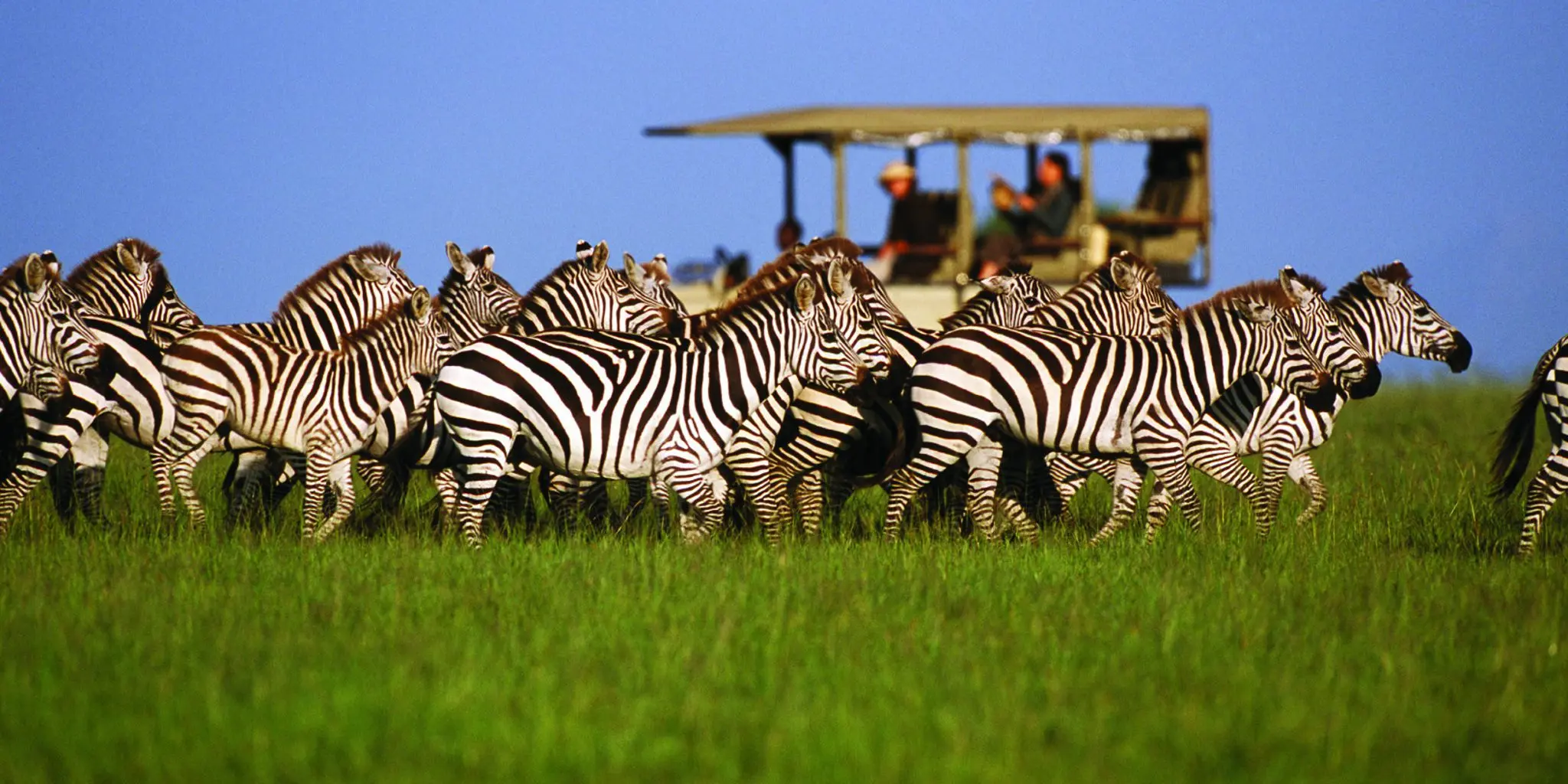
The Serengeti is the highlight for most visitors. Its open plains support huge herds of wildebeest, zebra, and gazelle, along with predators that follow them. If you visit between June and October, you can witness the river crossings in the northern Serengeti. From November to May, the herds gather on the southern plains, where calving season takes place. A fly-in safari, where you land at a small airstrip inside the park, saves hours of driving and gives you more time actually watching animals.
Zanzibar offers a different kind of richness. The island has a long history as a trading hub, and Stone Town's narrow alleys reveal layers of Swahili, Arab, Indian, and European influence. Beyond the cultural sites, the marine life is excellent. Coral reefs lie close to the shore, and you can snorkel or dive with sea turtles, parrotfish, and occasional dolphins. The beaches themselves vary: some have white sand and palm trees, while others are rocky and better for walking at low tide.
Practical Considerations for Timing and Travel
Seasonality matters more for the safari part than for the beach. The dry season, from June to October, offers the best wildlife viewing because animals gather around water sources and vegetation is sparse. The wet season, from November to May, brings green landscapes and fewer crowds, but animals are more dispersed. Zanzibar has a similar pattern, with a longer dry season from June to October and a rainy period from March to May. The short rains in November and December are usually manageable.
For a combined trip, the dry months are ideal. You get clear skies for game drives and calm seas for boat trips. However, this is also peak tourist season, so accommodation and flights book up early. If you prefer quieter conditions, the shoulder months of November and May can work well, though you may have some rain.
Getting between the safari areas and Zanzibar is straightforward. Several airlines operate scheduled flights from Arusha and the Serengeti airstrips to Zanzibar. The flight from the Serengeti is especially convenient because it saves a full day of driving back to Arusha. You should book the flight as part of your overall itinerary to ensure connections align.
What to Pack for Both Environments
Packing for a safari beach holiday Tanzania requires some thought because the conditions differ greatly. For the safari, you need neutral-colored clothing that covers your arms and legs to protect against sun and insects. A lightweight long-sleeved shirt, trousers, a wide-brimmed hat, and sturdy walking shoes are essential. Binoculars and a camera with a zoom lens are worth the weight.
For the beach, you want swimwear, sandals, light cotton clothing, and reef-safe sunscreen. Zanzibar is conservative in public areas outside resorts, so women should cover shoulders and knees when walking in Stone Town or local villages. A sarong or light scarf works well for this. You can leave heavy jackets behind; even in the cool season, temperatures rarely drop below 18 degrees Celsius.
Health and Safety Considerations
Tanzania requires proof of yellow fever vaccination for entry if you are arriving from a country with risk of transmission. Malaria is present in both safari areas and on Zanzibar, so antimalarial medication is recommended. You should also carry insect repellent and sleep under a mosquito net where provided. Most safari lodges and beach resorts have nets available.
On safari, follow the guide's instructions about staying in the vehicle and not making sudden movements. The animals are wild, and even seemingly calm herbivores can be unpredictable. On Zanzibar, the main risks are sunburn and dehydration. Drink bottled water, and avoid swimming in areas with strong currents unless a lifeguard is present.
Cost Factors and Budgeting
A combined trip costs more than a single-destination holiday because you have to cover two sets of accommodation and an internal flight. However, the extra expense is offset by the richness of the experience. You can adjust the budget by choosing different levels of lodging. Safari options range from basic tented camps to luxury lodges with private decks and plunge pools. Zanzibar offers everything from budget hostels in Stone Town to all-inclusive resorts.
The biggest cost is usually the safari itself. Park fees, vehicle hire, and guide services add up, especially if you visit multiple parks. Flying into the Serengeti adds a premium but saves time. On Zanzibar, the cost of accommodation varies widely, but food and local transport are relatively cheap. A mid-range budget for a twelve-day trip is realistic for most travelers who want comfort without extravagance.
Making the Most of Your Time
To get the best of both worlds, plan your itinerary around the natural rhythms of each destination. On safari, early morning and late afternoon are the best times for game viewing. Use the middle of the day for resting or for activities like visiting a Maasai village or a park museum. On Zanzibar, the heat peaks around midday, so schedule snorkeling or boat trips for the morning and leave the afternoon for reading, swimming, or exploring Stone Town.
A safari beach holiday Tanzania works best when you accept that each part has its own pace. The safari rewards patience and early starts. The beach rewards relaxation and a slower rhythm. Trying to treat both like a checklist will leave you exhausted. Instead, let the trip unfold naturally: immerse yourself in the wildlife, then allow the sea to reset your energy before heading home.
For travelers who value variety and are comfortable with some planning, this combination is one of the most rewarding ways to experience Tanzania. The country's landscapes are dramatic, its wildlife is unmatched, and its coastline offers a calm counterpoint. With a sensible itinerary and realistic expectations, a combined wildlife and beach holiday can be the highlight of a travel lifetime.